What Does Endangered Mean? Intro to Conservation Status
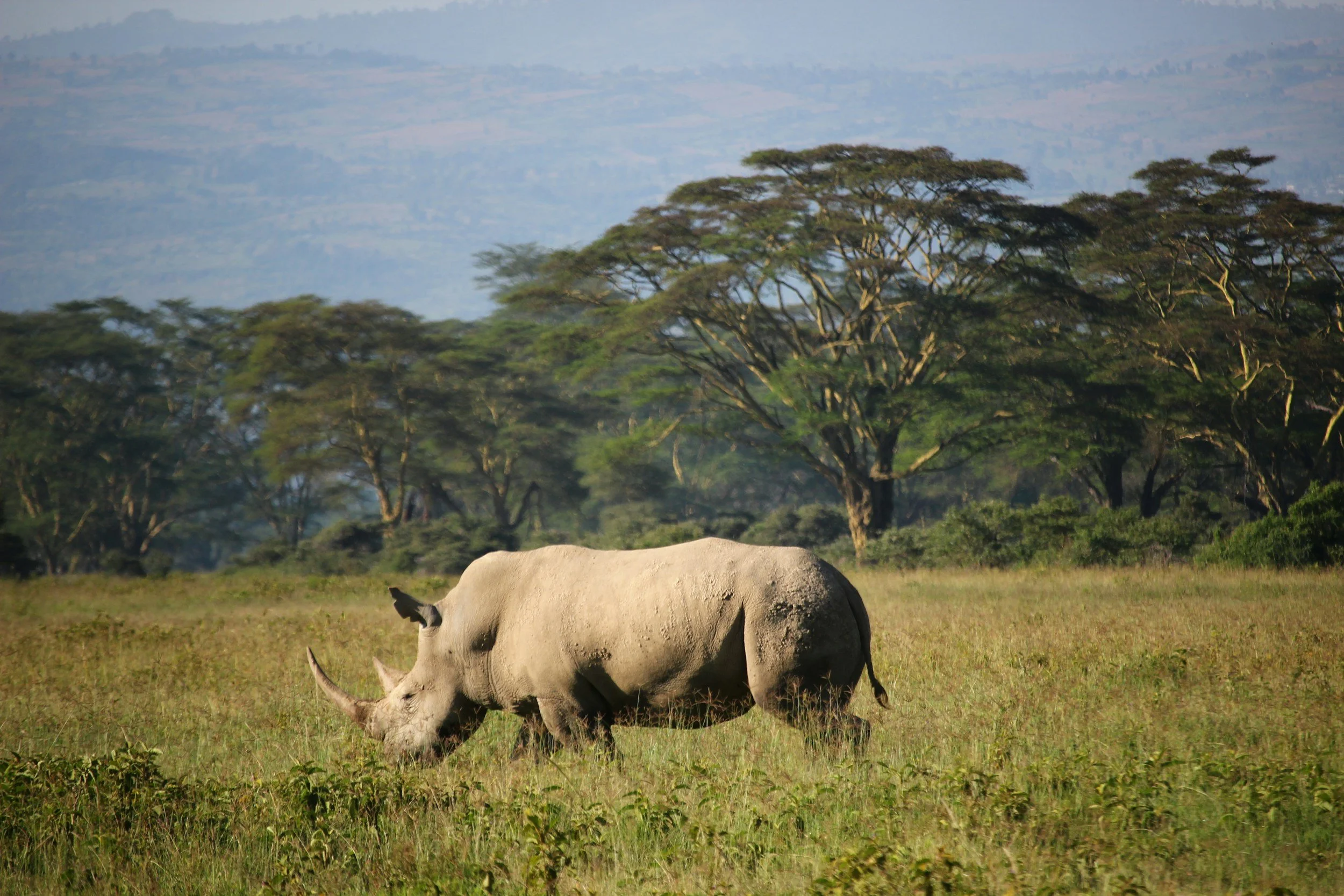
We have all heard that an animal is endangered or critically endangered, but what does that actually mean? It is a term that describes an animal’s population/survival health that falls into the spectrum known as Conservation Status. It is how scientists help determine how close animals are to becoming extinct like the dinosaurs. Conservation status tells us what species need the most help and action to keep them around.
What is Conservation Status?
Conservation Status is a scientific label used to describe how likely a species is to become extinct. When finding out what an animals conservation status is they look at factors like:
Population Size
Habitat Loss
Climate Change
Hunting or Pollution
The more threats these species face, the higher the risk for extinction.
Who Decides Conservation Status?
The most widely used system for determining conservation status comes from the IUCN (International Union for Conservation of Nature). Scientists from all around the world collect data and then place a species into a category.
Main Conservation Status Categories
Least Concern 🟢
Species that are widespread and abundant (think squirrels and cows)
Near Threatened 🟡
Species that are ok now but could be at risk soon. (Bison)
Vulnerable 🟠
Populations need monitoring and protection as they are decreasing (Cheetahs, Great White Sharks)
Endangered 🔴
Species facing a very high risk of extinction in the wild (Tigers)
Critically Endangered 🚨
Animals on the brink of extinction, often with very few individuals left. (Vaquita, Black Rhino)
Extinct in the Wild
Only survives in zoos, sanctuaries or breeding programs. (Spinx Mccaw, the bird from rio)
Extinct
No individuals anywhere in the world are alive, they can be functionally extinct like the Northern White Rhino which only has two females left therefore cannot survive past their life. Extinct animals are things like Dinosaurs or Megladon.
Why Do Species Change Status
A species conservation status is not permanent, and change all the time:
For the better when conservation efforts work
For the worse when a population continues to decline.
A great example is the Bald Eagle that used to be endangered but are now least concern due to legal protections and habitat recovery.
Final Takeaway
Conservation Status isn’t just a label, but a warning to us for what the future could be. By understanding what these categories mean, we can better appreciate wildlife and our role in protecting it.
