What are Keystone Species and Why are They Important?
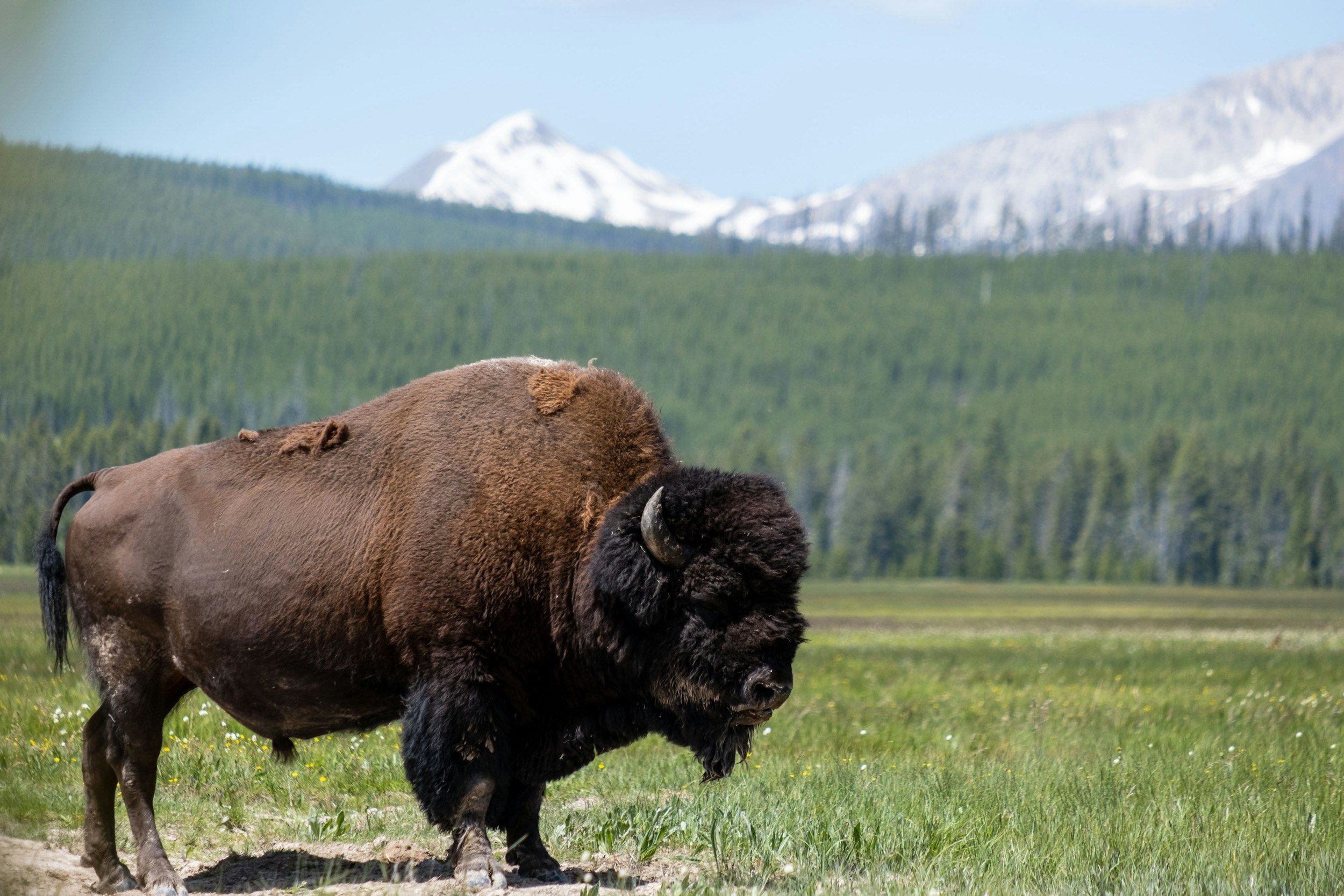
In nature not every animal plays a role. Some play a role so important that if they were not there the entire ecosystem they are in would completely collapse. These species are called Keystone species.
Why Are They Called Keystone Species?
The term keystone comes from architecture. A keystone is the stone at the top of an arch that holds everything in place. Without it the Arch falls apart.
In nature a keystone species works the same way:
They control populations
Shape Habitats
Maintain Balance
How Do Keystone Species Keep Balance?
Keystone species as shown above can maintain ecosystems in different ways.
Predators: Top predators control prey populations and prevent overgrazing. For example wolves regulate elk populations allowing plants and trees to recover.
Ecosystem Engineers: Some species physically change their environment in ways that help many others survive. For example Beavers build dams creating wetlands which are habitats for birds, fish and insects.
Pollinators: Certain pollinators are essential for plant reproduction and food webs. Bees and Butterflies pollinate plants other animals or humans rely on.
What happens if a Keystone Species Disappears?
When a keystone species is removed, a trophic cascade can occur. This means changes ripple through the ecosystem:
Prey populations may explode
Vegetation may disappear
Other species may decline or vanish
These changes can happen quickly and are often hard to reverse.
Keystone Species and Conservation
Protecting keystone species can protect entire ecosystems at once. Instead of focusing on one animal, conservationists can protect habitats, food webs, and biodiversity by safeguarding these species.
Final Takeaway
Keystone species may not always be the biggest or most abundant animals, but they are some of the most important. By keeping ecosystems balanced, they support countless other species including humans.
Protecting keystone species means protecting the health of the planet.
